A calmer way to pack cables and chargers
Bring the connections you need, keep small items together and check battery rules before flying.
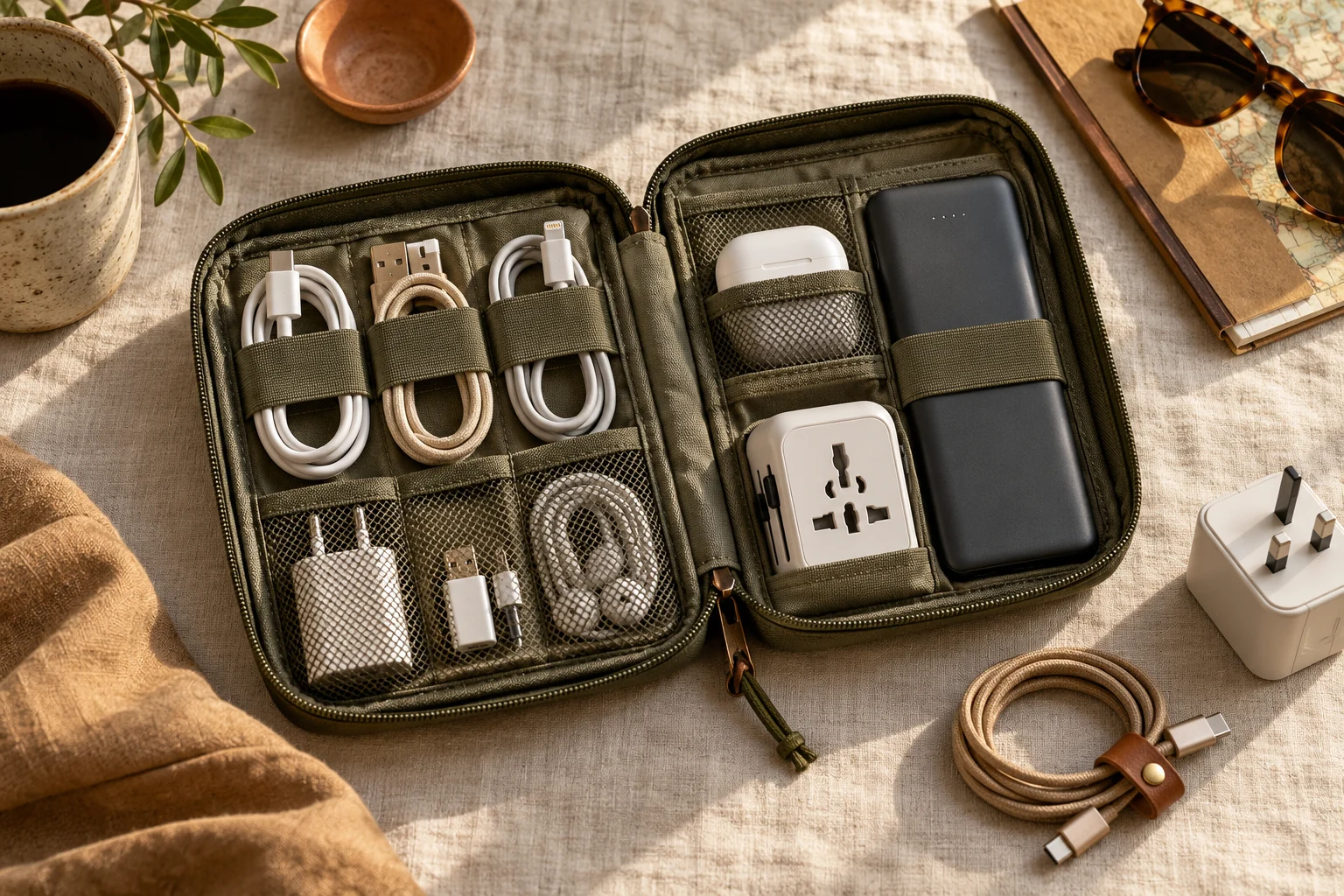
Make a device-and-cable list first. Use one compact pouch, confirm charger compatibility, and keep power banks accessible in your carry-on bag. Check the airline’s current battery rules before departure.
Make a connection map
Write each device down beside the cable and charger it uses. Include both ends of every cable: a cable can fit your device but not the charging port you packed. Then decide which devices need to charge at the same time. That is a more useful starting point than buying a large collection of adapters.
Check the device manufacturer’s charging instructions and the charger’s supported outputs. A connector shape alone does not establish electrical compatibility or charging performance.
Use fewer loose pieces
Group cables with simple reusable ties and keep small connectors in a zip compartment. Leave enough room to remove one item without emptying the pouch. A soft organizer can be enough for a few cables; expensive equipment may need the protection specified by its manufacturer.
Pack an everyday charging cable where you can reach it during the journey. Keep a second cable only if the extra weight and space make sense for the importance of that connection.
Check plugs and voltage separately
A travel plug adapter changes the shape of the connection; it should not be assumed to convert voltage. Read the input rating on each charger and check the electrical supply at the destination. If the rating or instructions are unclear, ask the manufacturer before using it. Do not select an adapter only because its sockets look familiar.
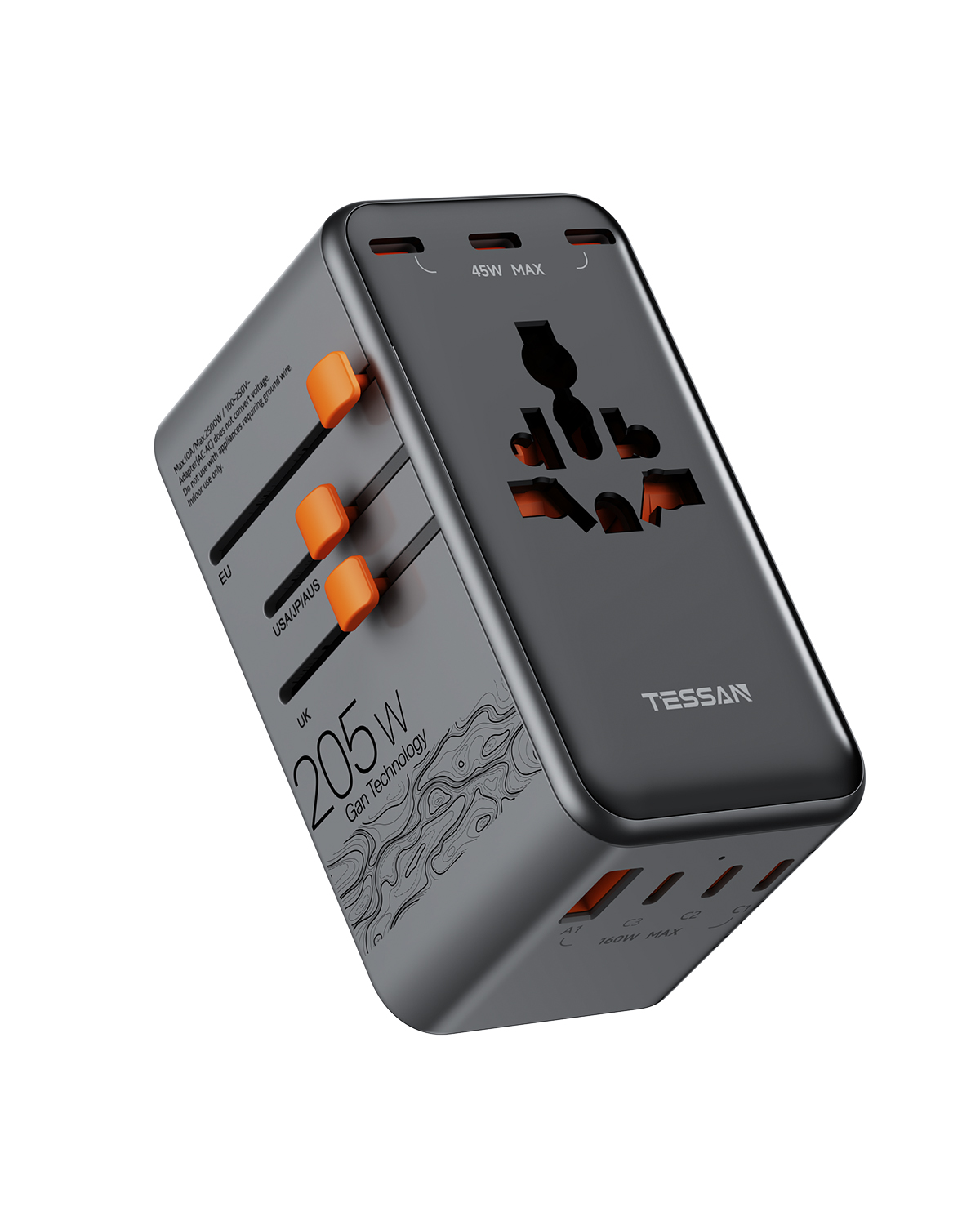
Considering a travel adapter? Compare the TESSAN Voyager 205’s plug options, charging ports and device requirements before buying.
We may earn a commission if you buy through this link, at no extra cost to you.
Keep spare batteries in the cabin
The FAA says spare lithium batteries, including power banks, must travel in carry-on baggage. Remove them before a bag is gate-checked, protect their terminals and follow the airline’s additional restrictions. The FAA also says damaged or recalled batteries likely to produce dangerous heat must not be carried unless made safe as permitted. Recheck the official guidance and your airline’s current rules.
Keep the pouch practical
- Take the cables needed for the devices you are bringing.
- Confirm charging compatibility using manufacturer instructions.
- Choose a plug adapter suitable for the destination and equipment.
- Protect small accessories from loose metal objects and damage.
- Keep any permitted power bank easy to remove from the larger bag.
- Test your intended setup at home before departure.
Leave room for a final check
Before leaving a room or seat, check the charging socket and nearby surfaces as well as your bag. Put each cable back in the same place. A consistent routine is easier to repeat than remembering where you put a loose adapter last time.
Add your device-specific items to the packing checklist. The checklist is a reminder, not a compatibility or airline-approval tool.
Sources & approach
Researched guide · Checked September 21, 2026. This is practical editorial guidance, not a hands-on product test. Recheck operator rules for your particular booking before travel.
Your next useful read.
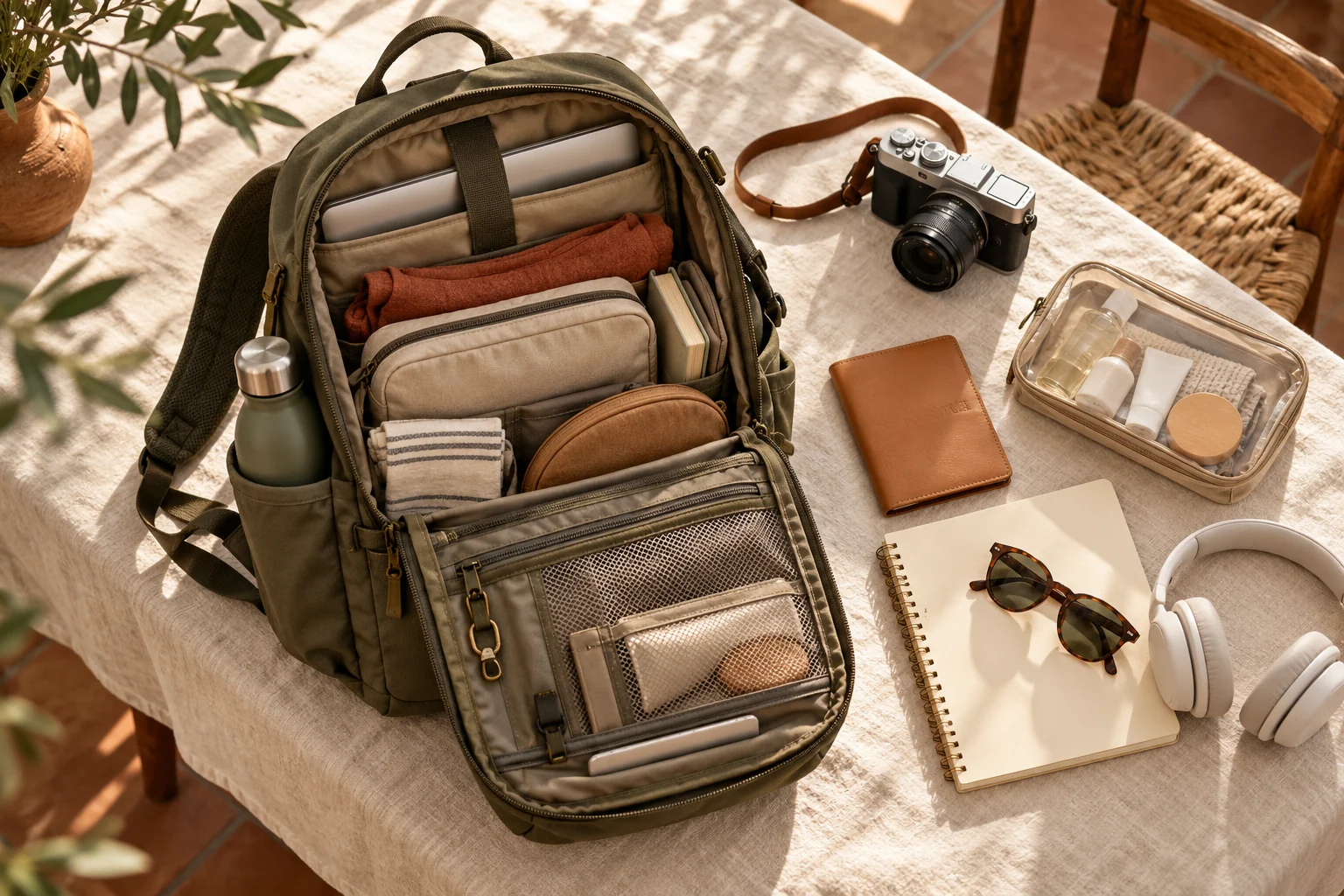
Make your personal-item bag work harder
Keep the things you need during the journey close, organized and easy to reach.
3 min read
Seven days away, one thoughtfully packed bag
Build a flexible packing list around your plans, the weather and access to laundry.
3 min read